From Stranger to Partner
Imagine hiring a brilliant executive assistant. On day one, you have to explain everything: how you like your coffee, how you prefer your emails to be phrased, and what your long-term business goals are. If you had to repeat that every single morning, the assistant wouldn''t be very "assistant-like."
Up until now, most people have treated AI like a stranger—starting every chat from zero. Personalization in 2026 changes that. It allows Gemini to maintain a persistent understanding of who you are, what you are building, and how you communicate. This tutorial will show you how to move from "General AI" to "Your AI."
What You Will Learn
Section 1: The Personalization Engine
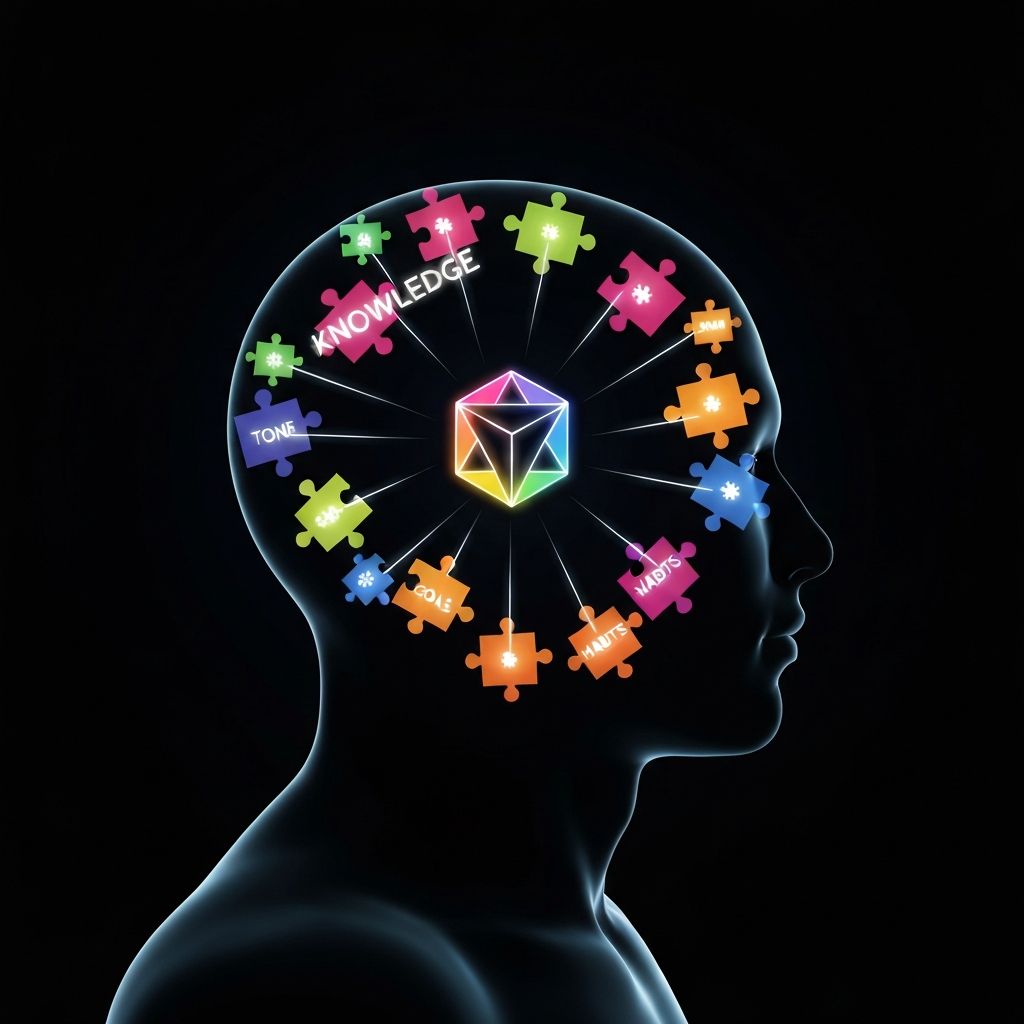
In 2026, Gemini uses a Dynamic Context Window. This isn''t just about reading your current chat; it''s about a layer of "Memory" that sits behind every interaction. When personalization is active, Gemini doesn''t just process your prompt—it processes it through the lens of your established identity.
If you are a founder building a startup in Hong Kong, Gemini knows that when you ask for "marketing advice," you probably don''t want generic US-based retail tips. It understands your local market, your professional level, and your specific industry without you having to re-type it every time.
Section 2: Your User Profile & Saved Info
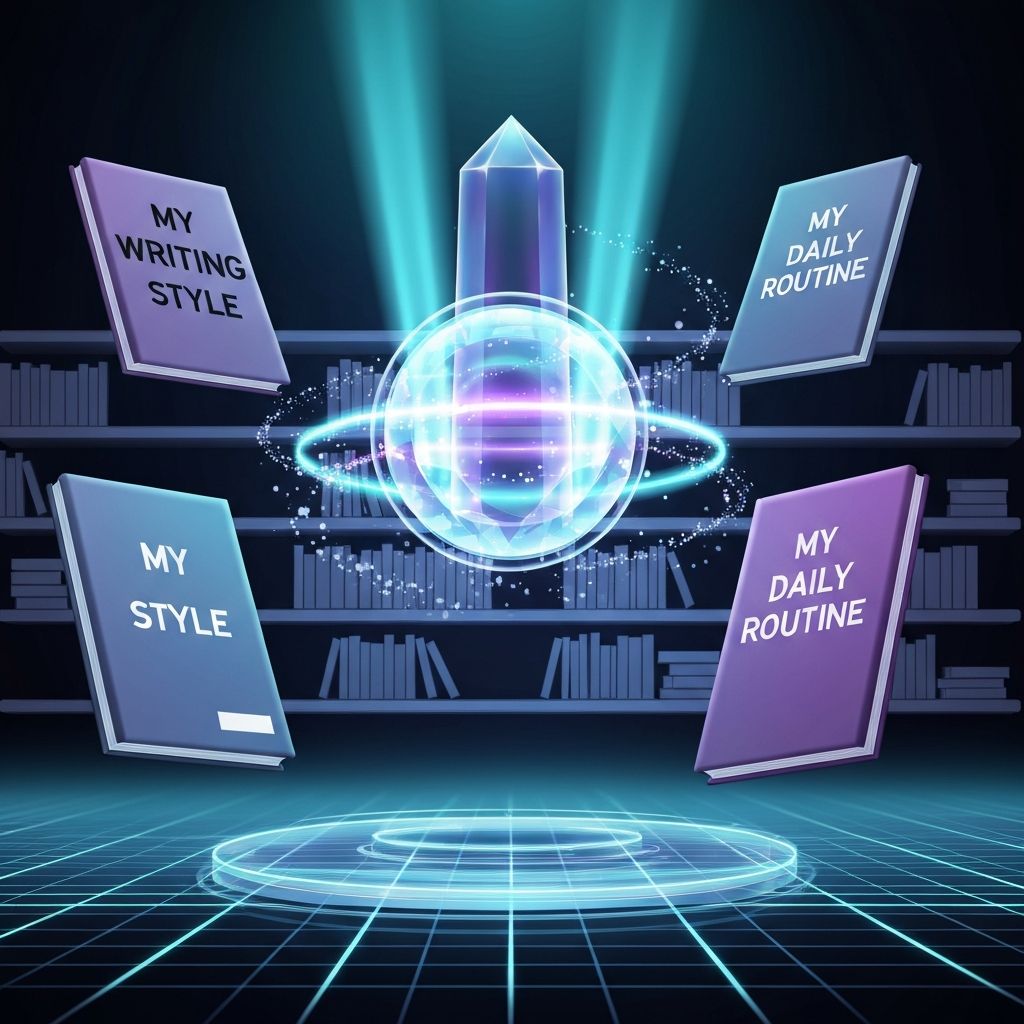
The simplest way to personalize Gemini is through Saved Information. This acts as your "AI Resume." You can explicitly tell Gemini things about yourself that you want it to always keep in mind.
What to Include in Your Saved Info
Section 3: Custom Instructions (System-Level Control)
While "Saved Info" is about who you are, Custom Instructions are about how Gemini behaves. This is a set of "Permanent Prompts" that Gemini checks before answering any query.
Example of Custom Instructions for a Founder
1. Always be direct and skip the "I''d be happy to help" fluff.
2. If a task involves marketing, assume the target audience is B2B tech entrepreneurs.
3. If I ask for a plan, always include a "Next Steps" checklist at the bottom.
4. Use 繁體中文 (Traditional Chinese) for all local Hong Kong content.
Section 4: Style Mirroring (Your Digital Voice)
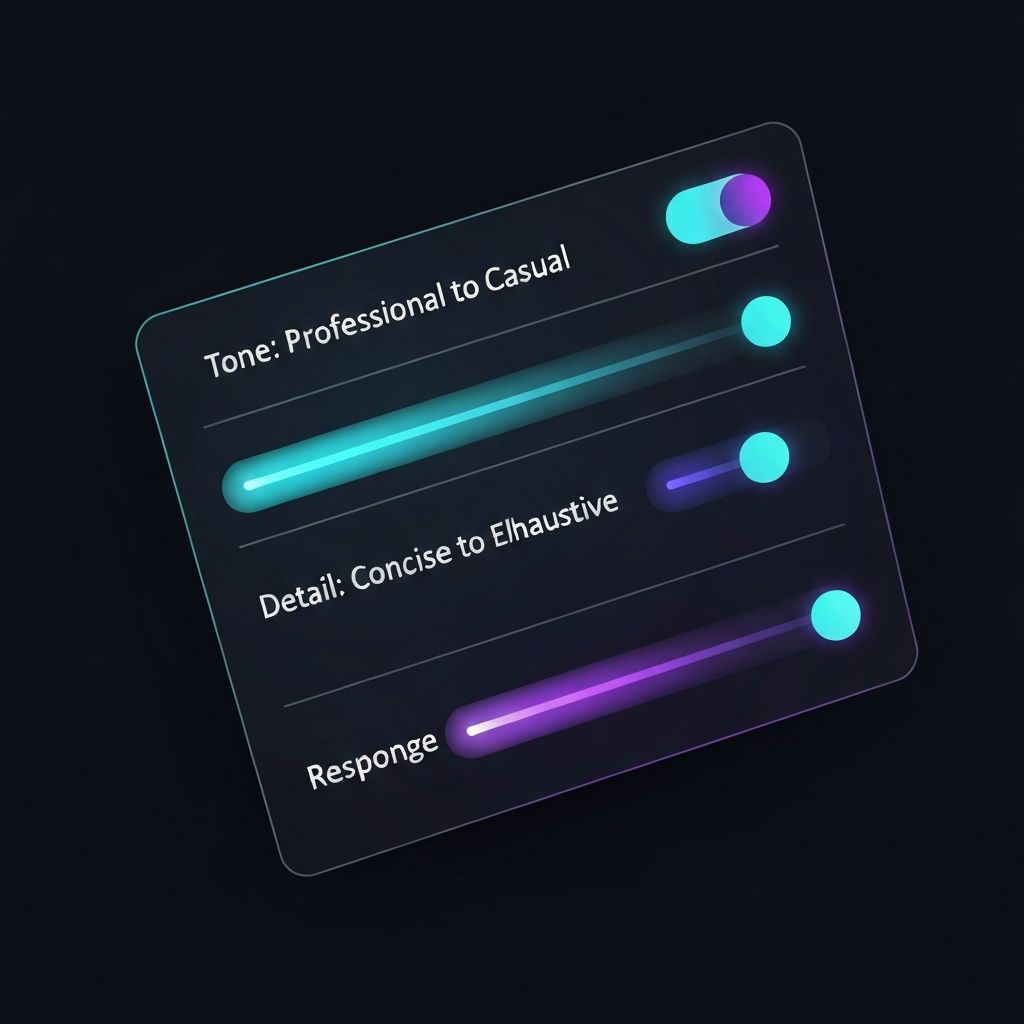
We discussed "Few-Shot Prompting" in Module 2, but personalization allows you to make your style permanent. If you have a specific aesthetic—perhaps you love the minimalist 80s "City Pop" design or a specific "Build in Public" writing style—you can save this as your default creative brief.
The "Style Anchor"
You can tell Gemini: "My brand aesthetic is Vaporwave—use this for all image generation prompts unless I say otherwise." This ensures that whether you are generating a logo today or a video storyboard next month, the "Visual DNA" of your brand remains consistent.
Section 5: Mapping Your Projects (Business Context)
If you are managing multiple brands or projects (like a startup and an AI agency), Gemini can keep "Project Files" in its memory. This prevents the AI from mixing up the goals of "Project A" with "Project B."
How to Organize by Context

Section 6: Location & Time Sensitivity
A personalized AI is an "Aware AI." In 2026, Gemini integrates your local context to provide better advice.
Time-Awareness: Gemini knows your local time. If you ask for a "quick dinner recipe" at 6:00 PM on a Tuesday, it understands you likely want something fast and easy for a weeknight, rather than a 3-hour Sunday roast.
Location-Awareness: If you ask for "networking events this week," it automatically searches for events in your home city (e.g., Hong Kong) without you needing to specify it.
Section 7: The Personalization Audit
Because your life and goals change, your AI needs to stay updated. In the Settings > Personalization menu, you can see a "User Summary" that Gemini has built of you over time.
How to Audit

Section 8: The Privacy vs. Utility Balance
Personalization is a trade-off: The more Gemini knows, the more useful it is. However, you must decide where the line is.
The Golden Rule
Only personalize information that adds Functional Value. If a piece of info doesn''t help Gemini give you a better answer, don''t store it.
Section 9: The "Digital Twin" Evolution
The ultimate goal of personalization is to build a Digital Twin—an AI that can draft an email exactly as you would, or brainstorm a product feature exactly as your business partner would. By consistently curating your personal context, you reduce your "prompting time" and increase your "execution speed."