
Everyone wants an AI side hustle; almost nobody wants to hear the honest version of how it pays. So here it is up front: in 2026, realistic beginners make $500–$1,000/month within about six months — not the "$300/day" the ads promise — and the ones who get there treat AI as leverage on a skill they already have, not a magic money button. This guide gives you ten side hustles that actually pay, what each one earns, and how long before the first dollar lands.
Difficulty: Beginner-friendly · Required tools: one AI tool paired with a skill or industry you already know, a way to reach clients (Upwork/Fiverr or direct outreach), and consistency across evenings and weekends · Updated: July 2026
Overview
"AI side hustle" has become one of the most hyped phrases online, and most of the hype is nonsense. Here's what's actually true in 2026. The single pattern behind everyone earning real money is this: AI reduces the skill barrier, but it doesn't remove the need for judgment, systems, and consistency. The winners aren't prompt wizards — they're a copywriter who drafts faster with AI, a marketer who automates a client's reporting, a consultant who builds workflows. AI is the amplifier; your expertise is the signal.

The earnings curve is worth internalizing so you don't quit early. Months 1–3 typically bring $0–$300 (you're learning and building samples). Months 4–6: $300–$1,000 as the first clients arrive. Months 7–12: $1,000–$3,000 with a steady base. Year 2 and beyond: $3,000–$5,000+ for a skilled operator with a reputation, and $5,000–$15,000 for niche specialists. Nothing here is get-rich-quick — but it's very real for people who show up for a year while everyone else gives up at month three.

One more principle that decides which of the ten below will work for you: niche beats generic, always. "AI content writing" is a race to the bottom against thousands of sellers undercutting each other. "AI-written email sequences for B2B SaaS companies" has far less competition and pays multiples more. The more specific the problem you solve — and the more your day-job knowledge feeds it — the better you'll be paid.
The honest goal: by the end you'll have ten realistic AI side hustles with real earning ranges, know which fit the skills you already have, and understand the one rule (leverage + niche + consistency) that separates the people who earn from the people who quit.
Who This Is Useful For
What You Will Learn
What You Need
The 10 AI Side Hustles

1. AI-assisted freelance writing (niched)
Use AI to draft faster and take on more volume — but pick a specific lane: SaaS email sequences, real-estate listings, technical docs. Generic "AI content" pays $20/hour in a crowded race; a niche you understand pays $50–$80+/hour with far less competition.
Pro tip: Choose the niche where your day job already gave you the vocabulary. A nurse writing healthcare content, or an accountant writing finance copy, out-earns a generalist instantly.
2. AI chatbot setup for local businesses
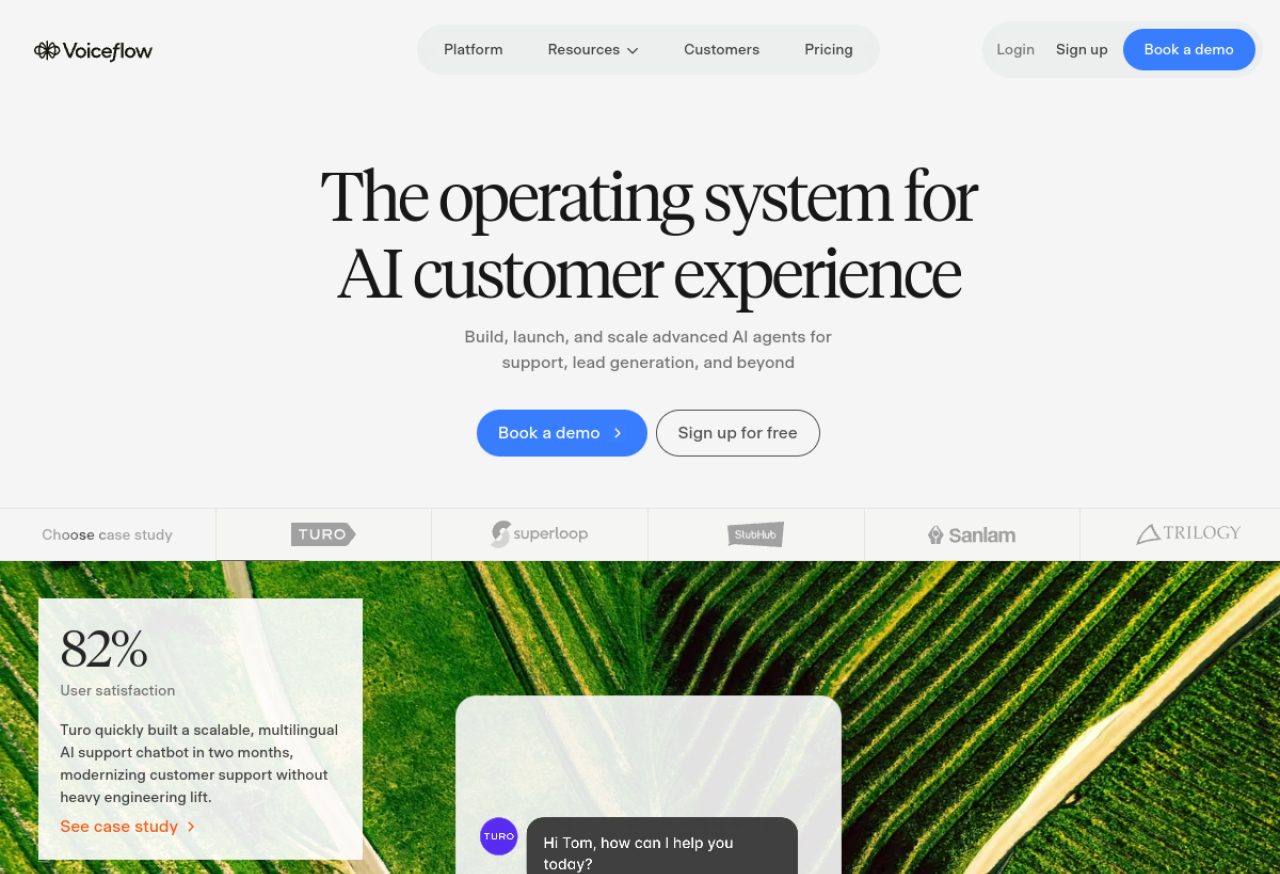
Build customer-service or booking chatbots on no-code platforms (Voiceflow, Botpress) for restaurants, clinics, and shops. Typical deal: $300–$500 setup plus a $100–$200/month retainer per client — and the retainers stack into recurring income.
Pro tip: Sell the recurring retainer, not just the build. Ten local clients at $150/month is $1,500 of monthly income that doesn't require finding a new client every week.
3. AI automation consulting
Help small businesses automate repetitive workflows — email follow-ups, scheduling, support triage, reporting — using no-code tools. Rates run $100–$300/hour, and one marketing manager built this into a 12-client agency earning ~$4,200/month within six months.
Pro tip: Start by automating one painful, obvious task (like invoice reminders) for one business you already know. A concrete win becomes your case study and your next three referrals.
4. AI social media management
Offer AI-accelerated content, scheduling, and reporting as a monthly service to small businesses that don't have time for it. AI does the drafting and the analytics; you provide the strategy and the human judgment clients are actually paying for.
Pro tip: Package it as a fixed monthly retainer with a clear deliverable ("12 posts + a monthly report"), not hourly. Retainers are predictable income; hourly caps your upside and invites nickel-and-diming.
5. AI design services (logos, thumbnails, graphics)
Sell quick-turn brand and social visuals produced with tools like Nano Banana or Midjourney. Small businesses and creators constantly need logos, YouTube thumbnails, and ad graphics — and AI lets you deliver in hours what used to take days.
Pro tip: Bundle a "brand starter kit" (logo + social templates + thumbnail set) at a flat price. Bundles are easier to sell and worth more than one-off gigs. (See our Nano Banana logo walkthrough for the production side.)
6. AI video editing and repurposing
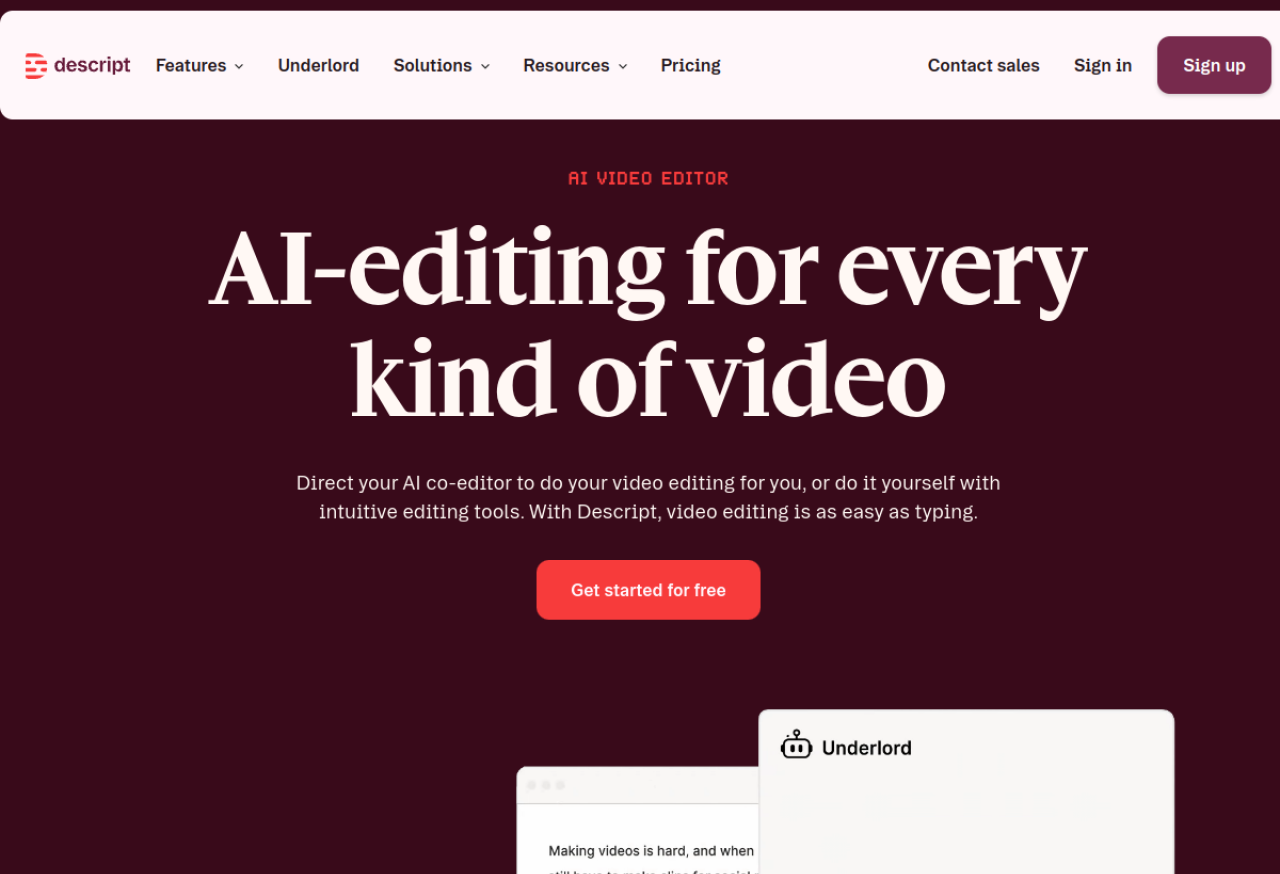
Turn long videos, podcasts, and webinars into short-form clips for creators and businesses using AI editors (Descript, Opus-style tools). Demand is enormous because every creator wants shorts but nobody has time to cut them.
Pro tip: Sell it as a subscription — "your long video in, ten shorts out, every week." Recurring content needs mean recurring pay, and you keep one happy client instead of chasing ten.
7. Faceless short-form content
Build a niche YouTube/TikTok channel using AI for scripting, voice, and assembly, monetized by ads plus affiliate links. Note the 2026 reality: platforms demonetized mass-produced AI channels this year, so you must add original research and a real point of view — not auto-generated filler.
Pro tip: Pick a high-RPM niche (personal finance, tech, education) and bring genuine insight. AI handles production; your angle and research are what keep the channel monetized and growing.
8. Selling digital products and templates
Create Notion templates, prompt packs, spreadsheets, or custom GPTs once and sell them repeatedly on Gumroad or Etsy. It starts as active work (building and marketing) and becomes semi-passive once a product catches on.
Pro tip: Build the thing you personally needed and couldn't find. "The client-onboarding template I use in my agency" sells because you can describe the exact pain — and market it from real experience.
9. Teaching others to use AI in your field
You're already ahead of most people in your industry on AI — package that. Offer 1:1 coaching, a workshop, or a course (Udemy, cohort-based) on using AI for a specific job, like "AI for real-estate agents" or "AI for teachers."

Pro tip: Teach the narrowest audience you credibly can. "AI for [your exact profession]" beats "AI for everyone" — a specific audience trusts a specific teacher and pays for relevance.
10. A niche AI-accelerated newsletter
Use AI to research and draft a newsletter in an industry you know, build an audience, and monetize with sponsorships or a paid tier. The AI speeds the writing; your curation and taste are the reason people subscribe.
Pro tip: Own the email list from day one — it's an audience no platform can switch off. It's also the asset that later powers every other hustle on this list (products, courses, services).
3 Common Mistakes to Avoid
Going Further
Key Takeaways
Sources: Best AI Side Hustles to Start in 2026 — Mercor · AI Side Hustles: How Real People Are Making Money with AI in 2026 — Side Hustle School · 11 AI Side Hustles That Actually Pay in 2026 — Grey Journal · AI Side Hustles in 2026: Ideas and Skills You Need — Udemy